



Davidoff Chef's Edition 2025
Davidoff Chef's Edition 2025
Cigar Titan
Couldn't load pickup availability
The Davidoff Chef’s Edition 2025 is a limited-edition Toro crafted in collaboration with world-renowned Michelin-starred chefs to deliver a refined, culinary-inspired smoking experience. Featuring an Ecuadorian wrapper, Mexican binder, and Dominican fillers—including a rare 15-year-aged San Vicente leaf and Yagua-aged Piloto tobacco—it balances citrus brightness, smooth sweetness, and layered complexity. With only 17,500 boxes produced worldwide, this elegant medium-bodied cigar is a true collector’s piece for those seeking sophistication and flavor harmony.
Tasting Notes: Cayenne Pepper, Floral, Rosewood, Leather, Hint of Lemon, Fresh Spice, Coffee, Oakwood
Read more: Additional product information +
Davidoff Chef’s Edition 2025: Product Information and Background
Davidoff Chef’s Edition 2025 is a limited-edition cigar developed through a collaboration between Davidoff’s tobacco blenders and five chefs. Its identifying specifications include a Toro format, a length of 6¼ inches, a 52 ring gauge, and tobacco components originating in Ecuador, Mexico, and the Dominican Republic.
Understanding this release involves several separate subjects: its collaborative background, physical dimensions, tobacco composition, aging methods, and packaging. These should be distinguished from subjective descriptions of flavor, intensity, or craftsmanship.
The 2025 Collaboration
Davidoff identifies this release as the fourth edition in its Chefs Edition series. The participating chefs are Paolo Casagrande, Christian Bau, Kirk Westaway, Nick Bril, and Michael Beltran.
The collaboration connects culinary sensory evaluation with tobacco blending. However, the involvement of chefs does not establish that food ingredients were added to the cigar.
Likewise, culinary references should not be interpreted as independent product certification. They describe the development concept and the people involved, rather than a standardized quality assessment.
The year is an important part of the product’s identity. Earlier releases in the series should retain their own specifications, collaborator information, and production details rather than being treated as interchangeable versions.
Understanding the Toro Format
Toro is a commonly used cigar format designation. It describes a broad category rather than a universally fixed set of dimensions.
For this release, the published measurements are 6¼ inches in length with a 52 ring gauge. Numerical specifications provide a more precise identification than the format name alone.
The length converts to approximately 158.8 millimeters, commonly rounded to 15.9 centimeters.
Ring gauge measures diameter in sixty-fourths of an inch. A 52 ring gauge therefore corresponds to approximately 20.6 millimeters, or about 2.1 centimeters.
These measurements describe physical proportions. They do not establish nicotine concentration, exact blend percentages, or a guaranteed sensory experience.
Wrapper, Binder, and Filler
The three principal tobacco components are wrapper, binder, and filler.
The wrapper forms the visible outer surface. The binder surrounds the filler beneath that exterior and helps maintain the internal tobacco arrangement. The filler forms the interior and may combine several tobaccos.
Cigar Titan identifies an Ecuadorian wrapper, a Mexican binder, and Dominican filler tobaccos for this release.
Those country designations establish geographical origins at the level disclosed. They do not reveal every seed variety, individual farm, harvest date, or component percentage.
The structural role of a leaf and its origin are different pieces of information. “Binder” describes its function in the cigar, while “Mexico” identifies its stated country of origin.
Why This Is a Multi-Origin Blend
A cigar can be manufactured in one country using tobacco grown in several countries.
In cigar terminology, a puro generally contains wrapper, binder, and filler tobaccos originating in a single country. Because this release’s listed components span three countries, it does not fit that usual definition.
Geographical diversity also should not be treated as a quality ranking. The number of countries represented does not establish that a blend is objectively better or more complex than a single-country product.
Country-of-origin information provides context, but it does not replace a complete manufacturing record. Cultivation, harvesting, curing, fermentation, aging, and blending remain separate parts of the production history.
The Published Aging Information
Davidoff identifies a Dominican San Vicente tobacco aged for 15 years and a Dominican Piloto seco filler tobacco subjected to five years of Yagua aging among the components used for this release.
These statements concern particular tobaccos. They should not be expanded into a claim that every component is 15 years old or that the finished cigar itself was aged for that period.
Component age and finished-product age are different subjects.
Similarly, separate aging figures should not simply be added together and presented as the age of the cigar. A blend containing tobaccos with different histories does not have one straightforward age unless the manufacturer defines what that figure measures.
What Yagua Aging Means
Davidoff describes Yagua aging as a method in which tobacco is wrapped in natural palm leaves and held in bales.
In this context, the palm material is associated with the aging process. It should not be confused with the cigar’s outer wrapper leaf or its binder.
The method also should not automatically be described as flavoring or infusion. Those terms imply processes that require their own supporting documentation.
Explanations of why a producer uses a particular aging method should remain attributed to that producer. A manufacturing account does not, by itself, independently demonstrate a guaranteed sensory outcome in every finished cigar.
Curing, Fermentation, and Aging
Curing, fermentation, and aging are related processing terms, but they are not synonyms.
Curing generally concerns the controlled drying and transformation of harvested leaves. Fermentation describes subsequent changes under managed conditions. Aging refers to additional time during which processed tobacco or completed cigars are held.
A statement that tobacco is “aged” does not provide a complete account of every preceding production stage.
An accurate description identifies the material being aged and the duration disclosed. It avoids assigning undocumented time periods to other components or processes.
This distinction is particularly important when a release includes several tobaccos with different aging histories.
Understanding the Medium Classification
Cigar Titan classifies this product as medium in strength. That is a descriptive category rather than a published laboratory measurement.
Strength, body, and flavor intensity are related terms, but they need not describe the same characteristic.
Strength may refer to the perceived effect of nicotine. Body generally concerns perceived fullness or weight. Flavor intensity describes how pronounced the sensory characteristics seem.
Different manufacturers, retailers, and reviewers may apply these terms differently. Their scales should not automatically be treated as directly comparable.
The medium designation does not establish measured nicotine concentration, individual exposure, or reduced health risk.
Interpreting Culinary and Tasting Language
A culinary collaboration naturally creates references to flavor, aroma, and sensory evaluation. Those references should not be interpreted as ingredient disclosures.
Words such as citrus, cream, spice, wood, or coffee ordinarily function as comparisons when used in tasting descriptions. They do not establish that those substances were added.
The source of an observation matters. Manufacturer descriptions, retailer summaries, and independent reviews represent different perspectives and should be attributed appropriately.
Individual perception also varies. A factual article should not promise that every person will identify the same characteristics or experience them in a fixed sequence.
The involvement of several collaborators does not remove that subjectivity.
Limited-Edition Production and Packaging
Davidoff states a worldwide production limit of 17,500 boxes. The release is presented in boxes containing ten cigars.
A declared production limit identifies the scale of the release. It does not establish how many boxes remain available, how inventory is distributed, or whether a particular retailer currently has stock.
It also does not guarantee future resale value.
Packaging quantity should be distinguished from format. A box of ten identifies the number of cigars included, while Toro describes the cigar’s size category.
Photographs, written quantities, and selected product options should correspond. An image alone should not be used to infer the contents of an unspecified package.
Distinguishing This Edition From Earlier Releases
The release year should remain attached to the product name whenever specifications, photographs, or reviews are discussed.
A previous Chefs Edition may have a different format, tobacco composition, group of collaborators, or packaging design.
Information associated with the 2021 edition, for example, should not automatically be transferred to the 2025 release.
Similarly, a review score should remain associated with the exact edition and format evaluated. Sharing a series name does not establish that separate releases are identical.
Frequently Asked Questions
What format is the 2025 edition?
It is listed as a Toro.
What are its dimensions?
The published dimensions are 6¼ inches long with a 52 ring gauge.
Where do its tobacco components originate?
Cigar Titan lists an Ecuadorian wrapper, Mexican binder, and Dominican filler tobaccos.
Does the culinary collaboration mean food ingredients were added?
The collaboration alone does not establish that. Sensory descriptions should not be treated as an ingredient disclosure.
Is every tobacco component aged for 15 years?
The published 15-year statement identifies a particular San Vicente component. It should not be applied to every tobacco in the blend.
Is Yagua the cigar’s wrapper?
In the aging description, Yagua refers to palm material used around tobacco bales. The finished cigar’s listed wrapper is Ecuadorian tobacco.
What is the stated production limit?
Davidoff states 17,500 boxes worldwide.
How many cigars are in the listed box?
The listed box contains ten cigars.
Maintaining Accurate Product Information
Useful information separates confirmed specifications, manufacturer statements, subjective observations, and undisclosed details.
The release year identifies the edition. Dimensions describe its physical proportions. Component origins identify geographical sourcing. Aging information should remain attached to the particular tobaccos it describes.
Clear attribution preserves those distinctions and avoids turning an interpretation or incomplete production detail into an established fact.
- Wrapper: Ecuador
- Binder: Mexico
- Filler: Dominican Republic
- Size: Toro
- Strength: Medium
- Brand: Davidoff
- Manufacturer: Davidoff
- Length: 6"1/4
- Ring Gauge: 52
Share this product


Similar Products
-
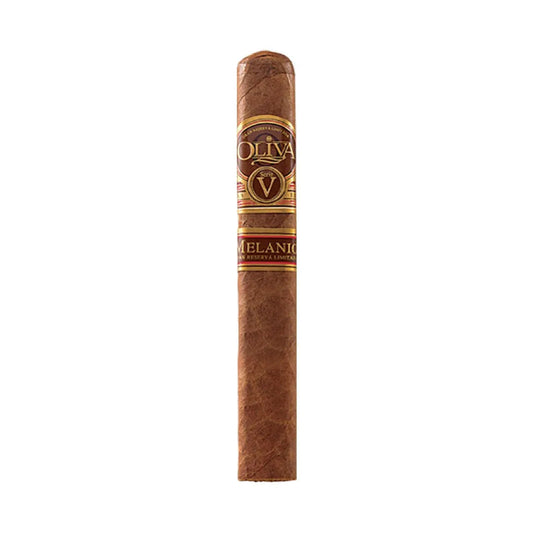
Oliva Serie V Melanio Toro
Regular price From $12.35 USDRegular priceUnit price per -
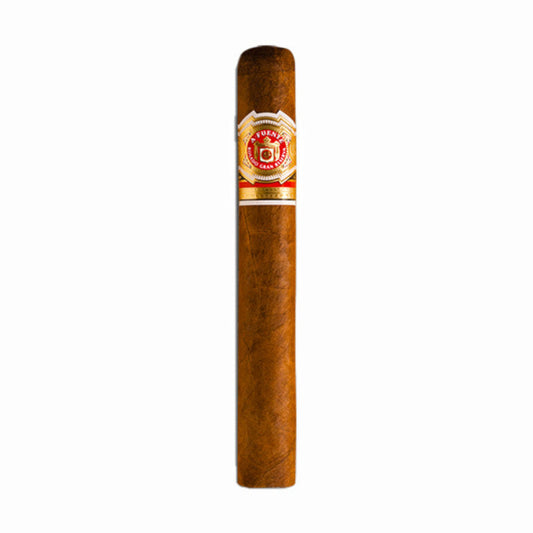
Arturo Fuente Magnum R Rosado Sungrown 54
Regular price From $8.70 USDRegular priceUnit price per -
Macanudo Inspirado White Toro
Regular price From $9.90 USDRegular priceUnit price per -
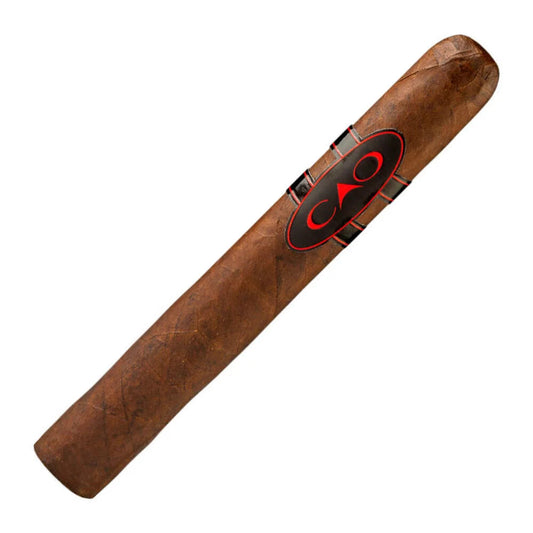
CAO Consigliere Soldier
Regular price From $8.36 USDRegular priceUnit price per




- Choosing a selection results in a full page refresh.
- Opens in a new window.
You must be 21+ to purchase
Please confirm your age to continue shopping.