



Davidoff Puro Dominicano Short Robusto
Davidoff Puro Dominicano Short Robusto
Cigar Titan
Couldn't load pickup availability
The Davidoff Puro Dominicano Short Robusto is a premium, small-batch cigar crafted entirely from 100% Dominican tobaccos, showcasing the richness and complexity of the Dominican Republic’s finest terroirs. This Short Robusto vitola delivers flawless construction, an even burn, and a smooth, medium-to-full bodied smoking experience in a shorter, more concentrated format ideal for aficionados seeking a refined, time-conscious smoke. Perfect for those searching for luxury Dominican cigars, limited release Davidoff cigars, and high-end handmade cigars, this standout from the Black Band Collection is a must-have addition to any humidor.
Tasting Notes: Dark Chocolate, Brown Sugar, Dried Fruit, Earth, Leather, Black Pepper
Read more: Additional product information +
Davidoff Puro Dominicano Short Robusto: Product Details and Background
The Davidoff Puro Dominicano Short Robusto is a cigar within Davidoff’s Puro Dominicano line, introduced in 2026. Understanding this product involves several separate subjects: the origin of its tobacco, the meaning of its name, its physical dimensions, the construction of a cigar, and the distinction between measurable specifications and subjective descriptions.
This overview explains those subjects without treating manufacturer descriptions as independent assessments. Dimensions and named formats can be checked against published specifications. Statements about flavor, intensity, or craftsmanship require a different approach because they involve interpretation, production claims, or individual perception.
What the Product Name Means
The name contains three identifying elements. Davidoff identifies the brand. Puro Dominicano identifies the line and its Dominican tobacco origin. Short Robusto identifies the format, distinguishing this cigar from other shapes and sizes within the same line.
In cigar terminology, a puro generally contains wrapper, binder, and filler tobaccos grown in one country. Davidoff describes Puro Dominicano as an entirely Dominican blend, using tobaccos from six Dominican terroirs. The line also includes Corona Larga and Perfecto formats. Its introduction places it within the company’s Black Band Collection.
The term “puro” does not mean that every tobacco leaf comes from one farm, one harvest, or one seed variety. It refers to national origin. A cigar can therefore be a single-country puro while combining tobaccos with different growing conditions, processing histories, and physical characteristics.
This distinction prevents a common misunderstanding: a shared country of origin does not establish that all the components are identical.
Dimensions and the Short Robusto Format
Davidoff’s published specifications identify the Short Robusto as approximately 4½ inches long with a 52 ring gauge. The manufacturer also provides rounded metric measurements of approximately 11.5 centimeters in length and 2.1 centimeters in diameter. These figures describe a relatively short, broad cigar.
Length and ring gauge measure different features. Length describes the distance from one end of the cigar to the other. Ring gauge expresses diameter in sixty-fourths of an inch. A 52 ring gauge therefore corresponds to 52/64 of an inch, or approximately 20.6 millimeters.
Small differences between an inch measurement and a published metric equivalent may result from rounding. They do not necessarily indicate that two listings describe different products. However, a substantial discrepancy should be checked rather than assumed to be a conversion issue.
Format names are less precise than numerical dimensions. “Short Robusto” is a useful category, but it is not a universal manufacturing standard. Two manufacturers can use the same format name for cigars with different measurements.
Understanding Wrapper, Binder, and Filler
A cigar is commonly described through three tobacco components: wrapper, binder, and filler.
The wrapper is the outer leaf visible on the finished cigar. Its appearance influences how the product looks, but it is also a functional part of the construction. Wrapper descriptions can identify country, growing region, seed family, processing method, or a combination of these.
The binder sits beneath the wrapper and surrounds the filler. It helps hold the interior tobaccos together during construction. Its role is structural, although it is also part of the overall tobacco mixture.
The filler forms the interior of the cigar. A blend can combine several filler tobaccos rather than relying on one leaf type. Published descriptions may identify their origins without disclosing exact proportions.
These categories explain how a blend is organized. They do not, by themselves, establish a numerical contribution to flavor or strength. Claims that a particular component always supplies a fixed percentage of the taste should be treated cautiously unless supported by a clearly defined method.
Dominican Origin and Regional Differences
A country designation provides a starting point for understanding tobacco origin, but it leaves many questions unanswered. Agricultural conditions can vary within national borders. Soil, rainfall, elevation, drainage, sunlight, and local cultivation practices may differ between growing areas.
The word “terroir” is often used to describe the relationship between a crop and its growing environment. In tobacco discussions, it can encompass both physical conditions and the practices used to cultivate the plants.
Terroir is useful background, but it should not become a shortcut for assigning guaranteed sensory characteristics. A regional name alone cannot establish exactly how a finished blend will taste. Seed selection, harvest timing, curing, fermentation, aging, and blending can all affect the result.
Similarly, the statement that a blend uses six terroirs does not necessarily mean six farms or six individual tobacco leaves. Those are different units of description. Without more detailed production records, they should not be treated as interchangeable.
How to Interpret Tobacco Aging Claims
Davidoff describes the tobaccos in Puro Dominicano as having a combined age of 32 years. This is a manufacturer statement about the blend’s components, rather than a declaration that the finished cigar itself has been aged for 32 years.
A combined-age figure needs context. Adding the ages of several components produces a total, but that total is not the age of every component, the average age of the tobacco, or the time since the cigar was rolled.
For example, several differently aged tobaccos can produce a substantial combined figure even when none is individually that old. Unless the producer explains the calculation, the total should not be converted into a more specific claim.
It is also helpful to distinguish tobacco aging before manufacture from storage after the cigar is completed. These are separate stages. Information about one does not automatically describe the other.
Curing, Fermentation, and Aging Are Different
Curing, fermentation, and aging are related terms, but they are not synonyms.
Curing generally refers to the controlled drying and transformation of harvested leaves. Fermentation describes another processing stage during which tobacco undergoes further changes under managed conditions. Aging refers to additional time during which processed tobacco or completed cigars are held.
Descriptions sometimes compress these processes into a single phrase such as “aged tobacco.” That phrase does not provide a complete production history.
An informative product record should identify which process is being discussed whenever the information is available. It should also avoid assigning specific durations to individual stages without evidence.
These distinctions matter because a statement about time can sound precise while remaining ambiguous. A clearly identified process and duration provide more useful information than an impressive total with no explanation of what was measured.
What the Black Band Collection Identifies
Davidoff’s website groups Puro Dominicano within its Black Band Collection alongside lines including Nicaragua, Escurio, and Yamasá. This identifies the product’s position in the company’s portfolio and its relationship to a broader branding system.
A collection name should not be confused with an independent certification. It does not establish a standardized nicotine level, a universal strength rating, or an objective quality score.
Packaging and band colors help identify a product, but they should be considered together with the written line name and format. Similar colors or related branding do not mean that two cigars contain the same blend.
For accurate identification, the complete product name and numerical dimensions are generally more dependable than a broad description such as “a black-band Davidoff.”
Strength, Body, and Flavor Intensity
Cigar descriptions often use “strength,” “body,” and “intensity” as though they mean the same thing. In practice, they can describe different characteristics.
Strength may refer to the perceived physiological effect of nicotine. Body usually describes perceived fullness or weight. Flavor intensity refers to how pronounced the sensory characteristics seem.
These distinctions are useful, but the terminology is not applied consistently across manufacturers and retailers. One business’s “medium” classification may not correspond directly to another’s.
A descriptive strength category is also not equivalent to a laboratory measurement of nicotine content. Without published analytical data and a clear testing method, a reader should not interpret a rating scale as a precise chemical specification.
Keeping these terms separate makes product information clearer and avoids presenting subjective categories as standardized measurements.
Reading Tasting Descriptions Critically
Tasting language is a form of sensory comparison. Descriptors such as wood, earth, bread, or chocolate ordinarily communicate a perceived resemblance. They should not automatically be interpreted as an ingredient list.
The source of a description matters. A manufacturer’s tasting notes, a retailer’s summary, and an independent reviewer’s observations represent different perspectives. None should be presented as a firsthand account by someone who has not evaluated the product.
Sensory descriptions also involve personal differences. Two people may use different words for similar impressions, or notice different characteristics entirely.
A careful informational article therefore attributes tasting claims and avoids guaranteeing a fixed sequence of flavors. Language that distinguishes observation from specification is more accurate than presenting subjective impressions as an inevitable property of every individual cigar.
How Format Relates to Product Identification
A cigar’s dimensions help distinguish one version of a blend from another. Length, diameter, and shape are measurable characteristics, while terms such as Robusto, Corona, and Perfecto organize those characteristics into familiar categories.
Shape terminology can also describe the outline. Some formats have relatively straight sides, while others taper or change diameter along their length. A format name should therefore be read with its numerical specifications.
It is not reliable to assume that different sizes within a line are identical products with only their length changed. Construction specifications and blend proportions may vary.
Conversely, it would also be speculative to claim that a particular size uses a different recipe without manufacturer confirmation. The accurate approach is to identify the shared line, then state only the format-specific differences that published information supports.
Packaging and Product Identity
Davidoff’s catalog lists boxes of twelve and packs of five within the Puro Dominicano range. These are manufacturer-listed packaging configurations; an individual retailer may offer a different selection of units.
Packaging quantity should be recorded separately from cigar dimensions. A box count describes how many cigars are included, while the format describes the cigars themselves.
Photographs can introduce uncertainty when a listing uses a general image for several packaging options. A photograph of a full box does not necessarily establish the quantity associated with every selectable variant.
For informational accuracy, written packaging details should correspond to the specific variant being described. The product’s name, format, unit count, and image should work together rather than requiring the reader to infer one from another.
Claims That Require Additional Evidence
Some details cannot be established from a brand name or basic specification sheet. These include exact blend percentages, component-by-component aging periods, measured nicotine content, and complete agricultural records.
Claims about rarity or release frequency also require evidence. A product being temporarily unavailable does not establish that it is a limited edition. Likewise, a recent launch does not necessarily mean that production is restricted.
Statements about flawless construction, guaranteed consistency, or universal flavor characteristics go beyond basic product identification. They should be recognized as evaluative or promotional claims rather than neutral specifications.
When information is missing, acknowledging the gap is more accurate than filling it with assumptions. A product article can remain useful without claiming access to undisclosed manufacturing details.
Common Questions About the Short Robusto
Does “Dominican puro” mean one tobacco variety?
No. It identifies the country of origin of the tobacco components. It does not establish that every leaf shares the same seed variety, farm, harvest, or processing history.
Does 52 ring gauge describe length?
No. Ring gauge describes diameter. Length is stated separately in inches or centimeters.
Does the combined aging figure describe the finished cigar’s age?
No. The manufacturer’s combined figure concerns component tobaccos. It should not be represented as the number of years since the finished cigar was produced.
Are tasting notes the same as added ingredients?
Not necessarily. Sensory comparisons describe perceived characteristics. They are not a substitute for an ingredient or additive disclosure.
Does a shorter cigar necessarily have less nicotine?
Dimensions alone do not establish nicotine content or exposure. A format name cannot provide that measurement.
Keeping Product Information Accurate
The most useful description of the Davidoff Puro Dominicano Short Robusto separates confirmed identifiers from interpretation. The product name, stated origin, format, and dimensions establish what is being discussed. Broader explanations of tobacco terminology help readers understand those facts without turning general background into unsupported product claims.
Information can also change or become more detailed over time. Manufacturer documentation should take precedence when it clarifies a specification, while discrepancies between sources should be resolved rather than silently combined.
A factual product record does not need to promise a particular experience. Its purpose is to explain what is known, define unfamiliar terms, identify the source of important claims, and make clear where available information ends.
- Wrapper: Dominican Republic
- Binder: Dominican Republic
- Filler: Dominican Republic
- Size: Short Robusto
- Strength: Medium - Full
- Brand: Davidoff
- Manufacturer: Davidoff
- Length: 4"1/2
- Ring Gauge: 52
Share this product


Similar Products
-
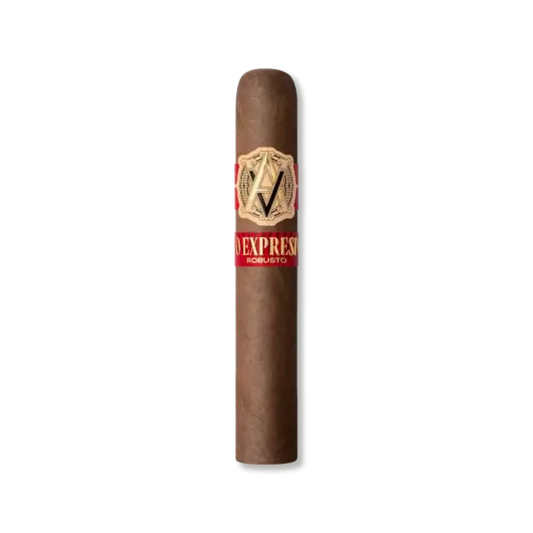
AVO Expresivo Robusto
Regular price From $11.20 USDRegular priceUnit price per -
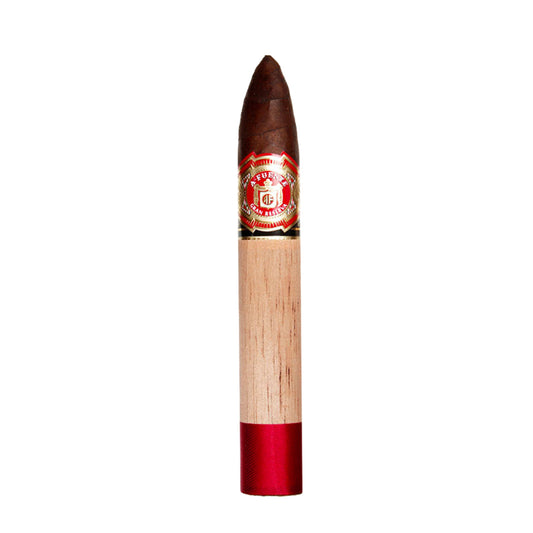
Arturo Fuente Chateau Fuente Queen B Sungrown
Regular price From $8.42 USDRegular priceUnit price per -
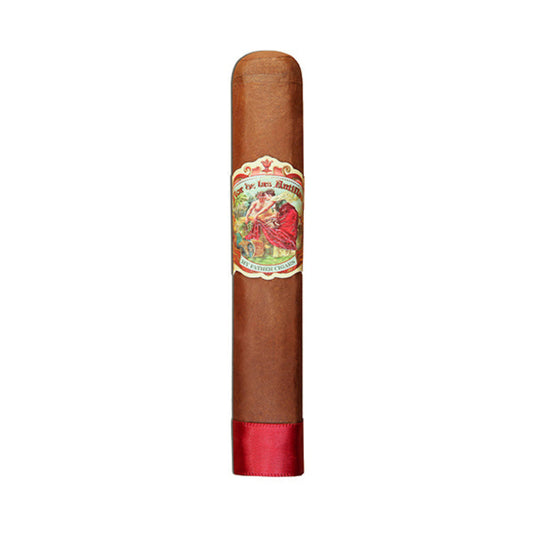
My Father Flor de Las Antillas Robusto
Regular price From $6.09 USDRegular priceUnit price per -
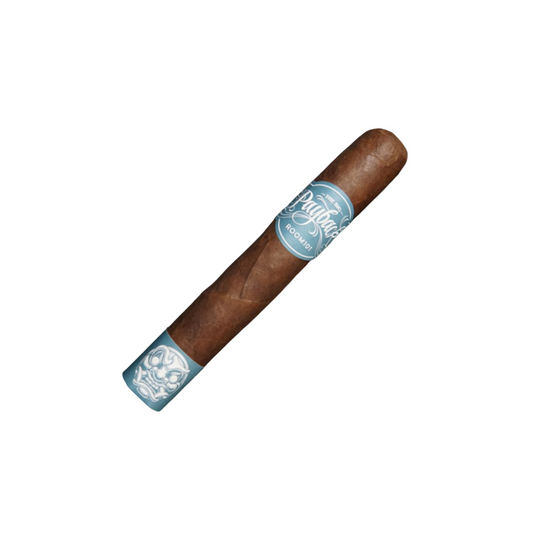
Room 101 Big Payback Nicaragua Toro
Regular price From $12.15 USDRegular priceUnit price per




- Choosing a selection results in a full page refresh.
- Opens in a new window.
You must be 21+ to purchase
Please confirm your age to continue shopping.